How to play
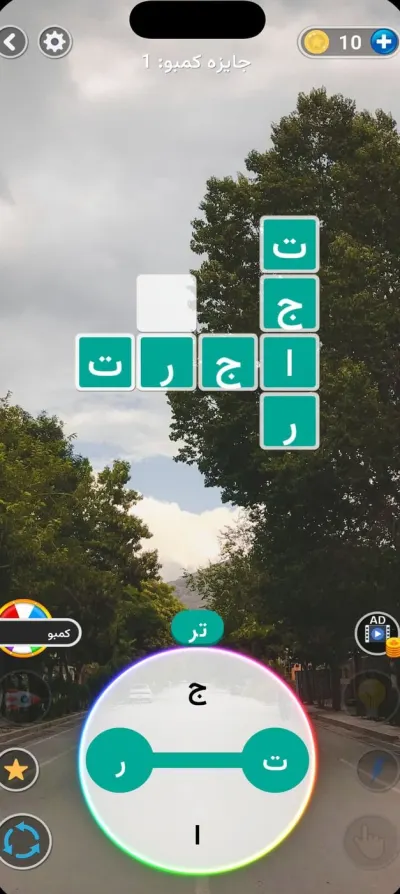
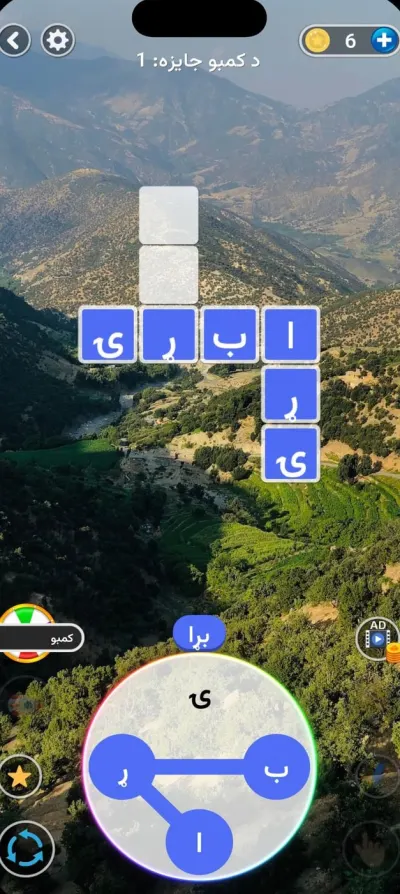
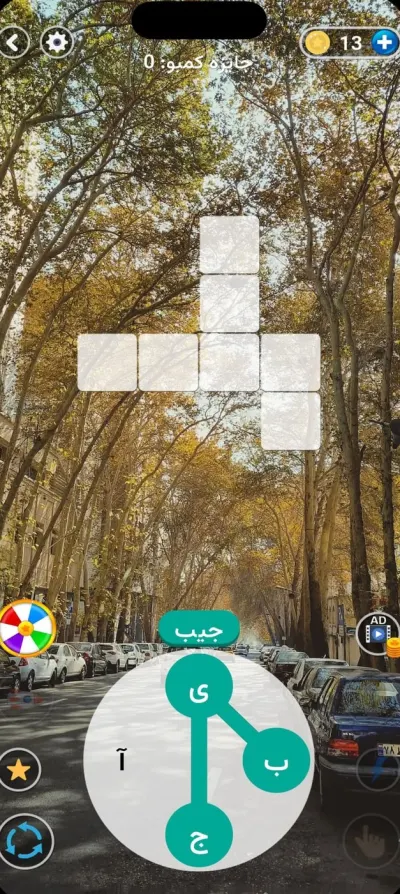
- Swipe across the letters on the wheel to build a word
- Fill every word in the crossword to finish the level
- Find extra real words for bonus coins
- Stuck? Use a hint to reveal a letter
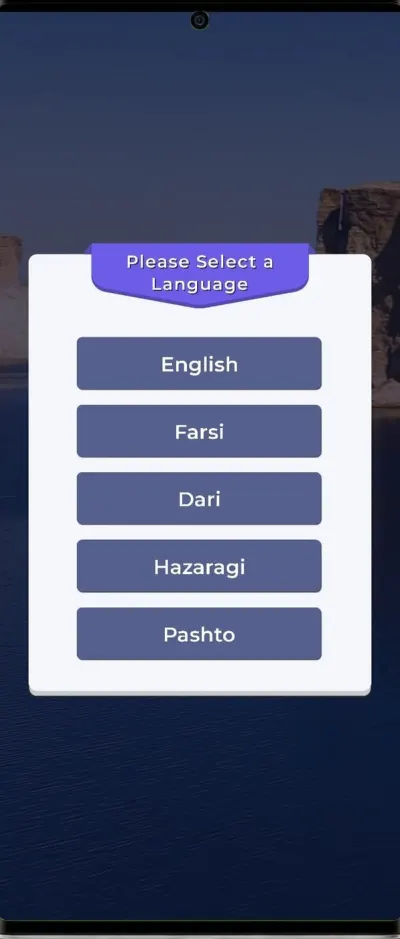
Languages you can play in
- Dari (دری)
- Pashto (پښتو)
- Hazaragi (هزارگی) — rarely supported anywhere, fully supported here
- Farsi (فارسی)
- English — for mixed-language families and learners
Features
- Hundreds of levels, from easy to expert
- Plays offline — no internet needed
- Free to play
- Clean design with proper Persian and Pashto typography and photo backgrounds
Why it exists
Most word games ignore Afghan languages entirely. For Afghans living abroad — in Australia, the USA, Canada and Europe — chances to use their mother tongue get rarer every year, especially for children growing up in a new country. If you grew up speaking Dari or Hazaragi at home but spend your whole day in English, German or Swedish, your vocabulary quietly shrinks.
Kalema turns those languages into a game you can play on the bus, at home or together as a family, so practicing vocabulary feels like fun instead of homework — and parents can pass the language on to children who have never lived in Afghanistan. If you enjoy Persian word games — بازی کلمات، جدول کلمات، کلمه یابی — you'll feel right at home.
Frequently asked questions
Which languages does Kalema support?
Dari, Pashto, Hazaragi and Farsi, plus English. You can switch languages at any time and play in whichever one you want to practice.
Is Kalema available on Android and iPhone?
Yes. Kalema is on Google Play for Android phones and tablets, and on the App Store for iPhone and iPad.
Is Kalema free?
Yes, Kalema is free to play, with ads and optional in-app purchases.
Does Kalema work offline?
Yes. You can play without an internet connection.
Do I need to know the language fluently to play?
No — that's the point. Kalema works for heritage speakers who understand the language but want to strengthen their vocabulary, and for family members learning from scratch.
Who is Kalema made for?
Afghans everywhere — in Afghanistan or in the diaspora — and anyone learning Dari, Pashto, Hazaragi or Farsi who wants a fun way to practice vocabulary and pass the language on to the next generation.